After an Uber or Lyft accident in Houston, reaching out to a personal injury law firm can help protect your rights and guide the next legal steps.
Whether the crash happened on the I-610 Loop or near the Galleria, partnering with a lawyer early on may help keep your case on track to recover compensation you may be eligible for under the law.
A Houston rideshare accident lawyer at AP Law Group can intervene early to handle complex insurance negotiations, secure evidence like app data, and fight for the recovery you may be entitled to.
During a free case evaluation, you can explore these and other critical insights that can help you understand how dedicated and experienced legal representation could protect your financial future after suffering catastrophic injuries in a rideshare accident in Texas.
Key Takeaways About Why Legal Representation Matters After Uber and Lyft Accidents in Houston, TX
- Texas auto insurance laws are complex. Texas requires rideshare companies to maintain specific insurance tiers depending on the driver's status. Navigating these tiers often requires legal intervention to determine which policy covers your damages.
- The 51% Bar rule could affect your claim. Under Texas’s modified comparative fault rule, if you are found to be more than 50% responsible for the accident, you are barred from recovering any damages. Legal representation can help fight back against insurers trying to avoid payouts.
- Missing the filing deadline could bar you from recovering compensation. You generally have two years from the date of the accident to file a personal injury lawsuit in Texas. Although this may seem like a long time, crucial evidence such as traffic camera footage and driver logs can disappear quickly, necessitating prompt legal action.
- Houston-specific hazards could influence your case. Accidents near high-traffic zones, such as the Medical Center or Energy Corridor, often raise unique liability questions. AP Law Group understands local traffic patterns and court procedures in Harris County, providing a strategic advantage in proving negligence.
Immediate Steps to Take After a Rideshare Accident in Houston, TX
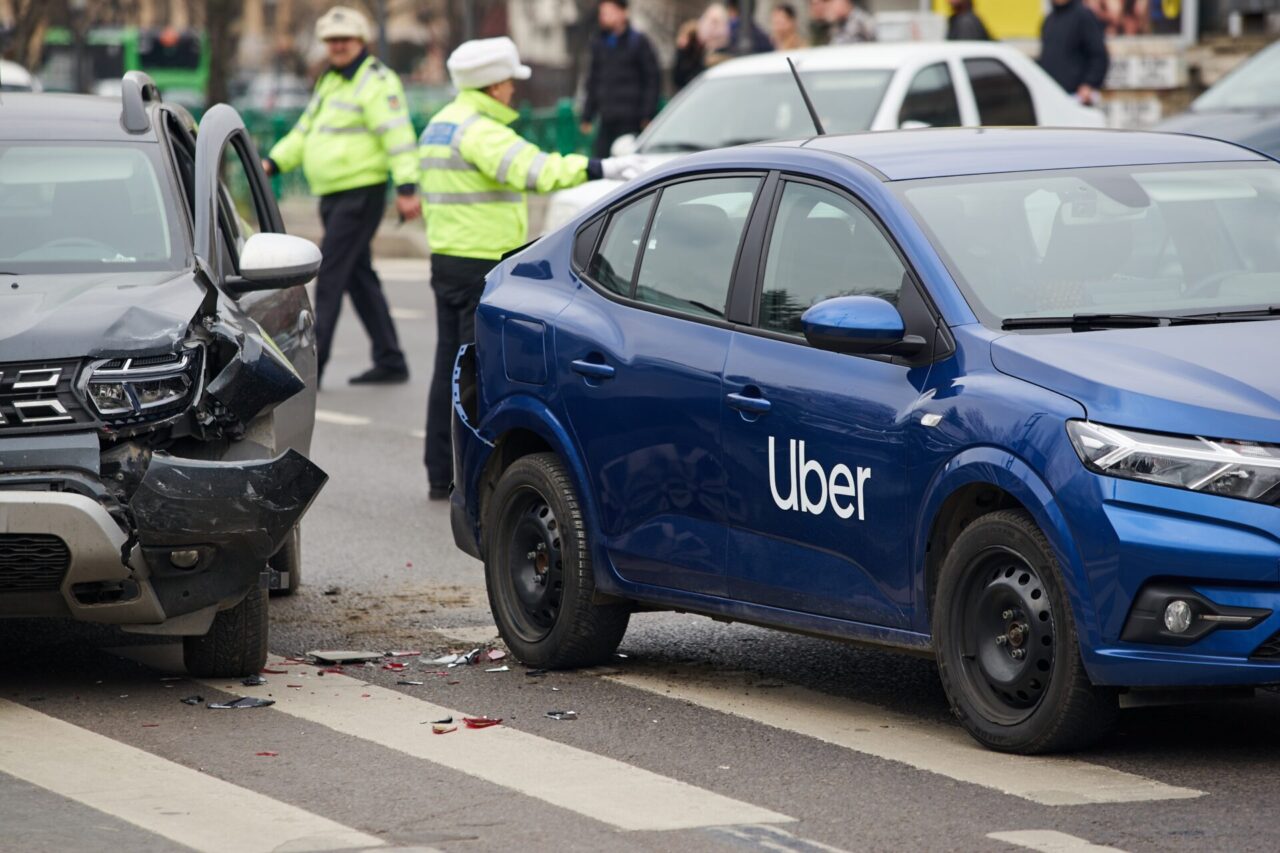
The moments immediately following a motor vehicle collision are often a blur of adrenaline and confusion. However, the actions taken at the scene can significantly impact the outcome of a future insurance claim. Protecting your physical well-being and legal rights starts before you even leave the site of the crash.
Prioritize Safety and Health
Checking yourself and others for injuries is the first priority. If anyone is hurt, call 911 immediately. Follow all instruction of the operator until first responders arrive on the scene.
In Houston, traffic on major highways like I-10 and I-45 moves quickly, and secondary accidents pose a real danger. If the vehicles are movable and it is safe to do so, move to the shoulder or a safe area away from moving traffic.
Even if you feel fine, adrenaline can mask symptoms of serious injuries like whiplash or concussions. Seeking a medical evaluation at a local emergency room or urgent care creates an official record of your condition immediately following the incident.
Call the Houston Police Department
A police report is a vital piece of evidence. When officers arrive, they will document the scene, interview witnesses, and create an official record of the accident.
Be honest with the officers but avoid speculating about fault or apologizing. Simply state the facts as you experienced them. This report often serves as the first objective account of the crash, which becomes invaluable when insurance companies start pointing fingers.
Document the Scene Thoroughly
Evidence disappears quickly. If you are physically able, use your smartphone to take photos and videos of the entire scene. Capture the damage to all vehicles involved, skid marks, traffic signs, and weather conditions.
It is also wise to take a screenshot of your Uber or Lyft app to prove the ride was active at the time of the crash. This digital footprint confirms the driver's status, which directly dictates which insurance policy applies to your injuries in uber or lyft accident.
Exchange Information
Collect the names, contact information, and insurance details from all drivers involved. Do not rely solely on the rideshare app for this information. Get the rideshare driver’s personal auto insurance information as well.
If there are witnesses, ask for their names and phone numbers. Independent car accident witness statements can provide powerful support for your version of events if liability is contested later.
Report the Accident to Uber or Lyft
Both Uber and Lyft have features within their apps that allow users to report accidents. Notifying the company creates a record of the incident on their end.
However, keep your report brief and factual. Do not provide a recorded statement or sign any settlement offers from their insurance representatives without consulting an attorney first.
These companies act quickly to minimize their financial exposure, and anything you say can be used to devalue your claim.
Understanding Rideshare Insurance Coverage in Texas
Rideshare accidents differ significantly from standard car crashes because of the insurance structure. Texas law mandates a tiered system of coverage that depends entirely on what the rideshare driver was doing at the exact moment of impact.
Period 0: App Is Off
If the driver is not logged into the Uber or Lyft app, they are considered a private citizen. In this scenario, their personal auto insurance policy is the primary source of coverage.
Rideshare companies generally deny liability for truck accidents that occur when the driver is "off the clock," even if they have Uber or Lyft stickers on their vehicle.
Period 1: App Is On, Waiting for a Ride
When the driver is logged in and available but has not yet accepted a ride request, coverage becomes more complicated. The driver's personal insurance may deny the claim because they were using the vehicle for commercial purposes.
In this gap, Uber and Lyft provide limited liability coverage, which is typically $50,000 per person for bodily injury, $100,000 per accident, and $25,000 for property damage. This "contingent" coverage only kicks in if the driver’s personal insurance denies the claim or is insufficient.
Period 2: En Route to Pick Up a Passenger
Once a driver accepts a ride request and is en route to pick up a passenger, the coverage limits increase significantly. During this phase, Uber and Lyft generally provide a $1 million commercial liability policy. This policy covers bodily injury and property damage caused by the rideshare driver.
Period 3: Passenger in the Vehicle
From the moment a passenger enters the vehicle until they exit, the $1 million commercial liability policy remains in effect.
Additionally, this period typically includes uninsured/underinsured motorist (UM/UIM) coverage. This is critical if the accident was caused by another driver who has no insurance or insufficient coverage to pay for your medical bills and lost wages.
Common Legal Challenges in Houston Rideshare Accident Claims

While the insurance policies may seem substantial, accessing that coverage is rarely straightforward. Insurance providers for Uber and Lyft are multi-billion-dollar corporations with teams of adjusters trained to protect their bottom line.
Determining Fault and Liability
Liability is rarely clear-cut. In a busy intersection crash in Downtown Houston, multiple parties might share the blame. The rideshare driver might have been distracted by the app, another driver might have run a red light, or a third vehicle might have made an unsafe lane change.
Texas’s modified comparative fault rule means that if you are assigned 51% or more of the blame, you recover nothing. Insurance companies exploit this rule, arguing that your actions contributed to the crash to reduce or eliminate their payout.
The "Independent Contractor" Defense
Uber and Lyft classify their drivers as independent contractors rather than employees. This legal distinction allows the companies to distance themselves from the negligent actions of their drivers.
They may argue that they are merely a technology platform connecting drivers with riders, and therefore not responsible for the driver's poor decisions behind the wheel. Overcoming this defense requires a nuanced understanding of employment law and the concept of vicarious liability.
Multiple Insurance Companies
A single rideshare accident often involves dealing with the rideshare driver’s personal insurer, the rideshare company’s commercial insurer, and potentially third-party insurers. Each company will try to pass the buck to the others.
This bureaucratic finger-pointing delays claims and frustrates victims who need funds for medical treatment. A lawyer acts as the central point of contact, managing these competing interests and forcing the insurers to address the claim efficiently.
Lowball Settlement Offers
Insurance adjusters often contact victims shortly after the accident, offering a quick settlement. These initial offers rarely account for the full extent of damages, such as future medical care, lost earning capacity, or pain and suffering.
Accepting an early offer typically requires signing a release that prevents you from seeking further compensation, even if your injuries turn out to be more severe than initially thought.
FAQs About Uber and Lyft Accidents in Houston
Can I sue Uber or Lyft directly for my injuries?
Suing the corporate entity is challenging due to the independent contractor status of drivers. However, legal avenues exist if the company was negligent in its hiring practices, such as failing to conduct a proper background check or retaining a driver with a history of dangerous behavior.
Many claims are brought against the commercial insurance policy rather than the corporation itself, but a lawyer can evaluate whether direct corporate liability applies.
What happens if the rideshare driver is uninsured?
If you are a passenger in an Uber or Lyft and the at-fault driver is uninsured, the rideshare company's Uninsured/Underinsured Motorist (UM/UIM) coverage typically applies. This coverage steps in to pay for damages when the responsible party is unable to do so. Accessing this coverage often requires proving the other driver's lack of insurance, a process a legal team handles routinely.
How long do I have to file a claim after a rideshare accident in Texas?
In Texas, the statute of limitations for personal injury claims is generally two years from the date of the accident. Missing this deadline usually results in the court dismissing the case, barring you from recovering any compensation.
While two years sounds lengthy, building a substantial case takes time. Initiating the legal process early preserves evidence and ensures witness memories remain fresh.
Secure Your Future After a Rideshare Accident with AP Law Group

Recovering from an Uber or Lyft accident can feel overwhelming, but you don’t have to face the legal and financial challenges alone. AP Law Group is here to help you navigate the complexities of rideshare accident claims, from dealing with insurance companies to building a strong case for compensation.
With a deep understanding of Texas rideshare laws and a commitment to protecting your rights, our team works tirelessly to ensure no detail is overlooked. Whether you’re dealing with mounting medical bills, lost wages, or the stress of an uncertain future, we’re ready to stand by your side.
Contact AP Law Group today for a free consultation and take the first step toward securing the compensation you may be entitled to under Texas law.
Legal Resources About Rideshare Accidents in Houston
Reliable information empowers accident survivors and their families to make strong legal decisions about their recovery. These attorney-curated resources provide insights into navigating a Texas car crash claim and understanding your rights under the law:
- What to Do If You’ve Been Injured in a Rideshare (Lyft/Uber)
- Car Accident Scene Photos: The Importance of Documentation
- Is Texas a No-Fault State?
- The Rise of E-Scooter Accidents in Houston and Their Legal Implications
For personalized legal guidance tailored to your specific accident, contact AP Law Group today for a free consultation. Taking action now can protect your rights and help secure the financial resources needed for recovery.