If an uninsured driver injures you in Texas, your own auto insurance policy is typically the primary source for compensation. Specifically, your Uninsured/Underinsured Motorist (UM/UIM) coverage is designed for this exact situation, paying for your medical bills, lost income, and other damages.
While it may seem counterintuitive to file a claim with your own insurer for an accident you didn't cause, this is the most direct path to getting your expenses covered. There are specific rules and deadlines that apply, but know that you have established options for pursuing the financial recovery you need.
If you have a question about an accident with an uninsured driver, call AP Law Group for a straightforward evaluation of your case at (713) 913-4627.
Key Takeaways for Uninsured Driver Accidents in Texas
- Your own insurance is the primary source of recovery. Your Uninsured/Underinsured Motorist (UM/UIM) coverage is designed to pay for your damages when the at-fault driver has no insurance.
- The claim process is adversarial, even with your own insurer. Your insurance company protects its financial interests by investigating fault and challenging the value of your damages.
- Multiple coverage types may apply to your accident. Besides UM/UIM, you might use Personal Injury Protection (PIP) and personal health insurance, and in some cases, you may file a lawsuit directly against the driver.
Your Own Policy Is Your First Line of Defense
Without a clear source of payment, medical bills quickly pile up.This is precisely why Texas law requires insurance companies to offer Uninsured/Underinsured Motorist (UM/UIM) coverage.
What Is Uninsured Motorist (UM) Coverage?
UM coverage is a part of your own auto insurance policy that you pay for. It acts as a substitute for the at-fault driver's missing liability insurance. It covers bodily injuries caused by a driver with no insurance or a hit-and-run driver.
What Is Underinsured Motorist (UIM) Coverage?
UIM coverage applies when the at-fault driver has insurance, but their policy limits are too low to cover all of your medical bills and damages. For instance, their policy might only cover $30,000, but your medical costs are $75,000. Your UIM coverage could cover the difference, up to your policy limits.
A Note on Texas Law
In Texas, insurance companies must offer you UM/UIM coverage when you buy a policy. You only reject this coverage by doing so in writing. Many drivers have this coverage without realizing it. We will obtain your policy and review it to confirm the exact amount of coverage you have available.
What Exactly Does Uninsured Motorist Coverage Pay For?
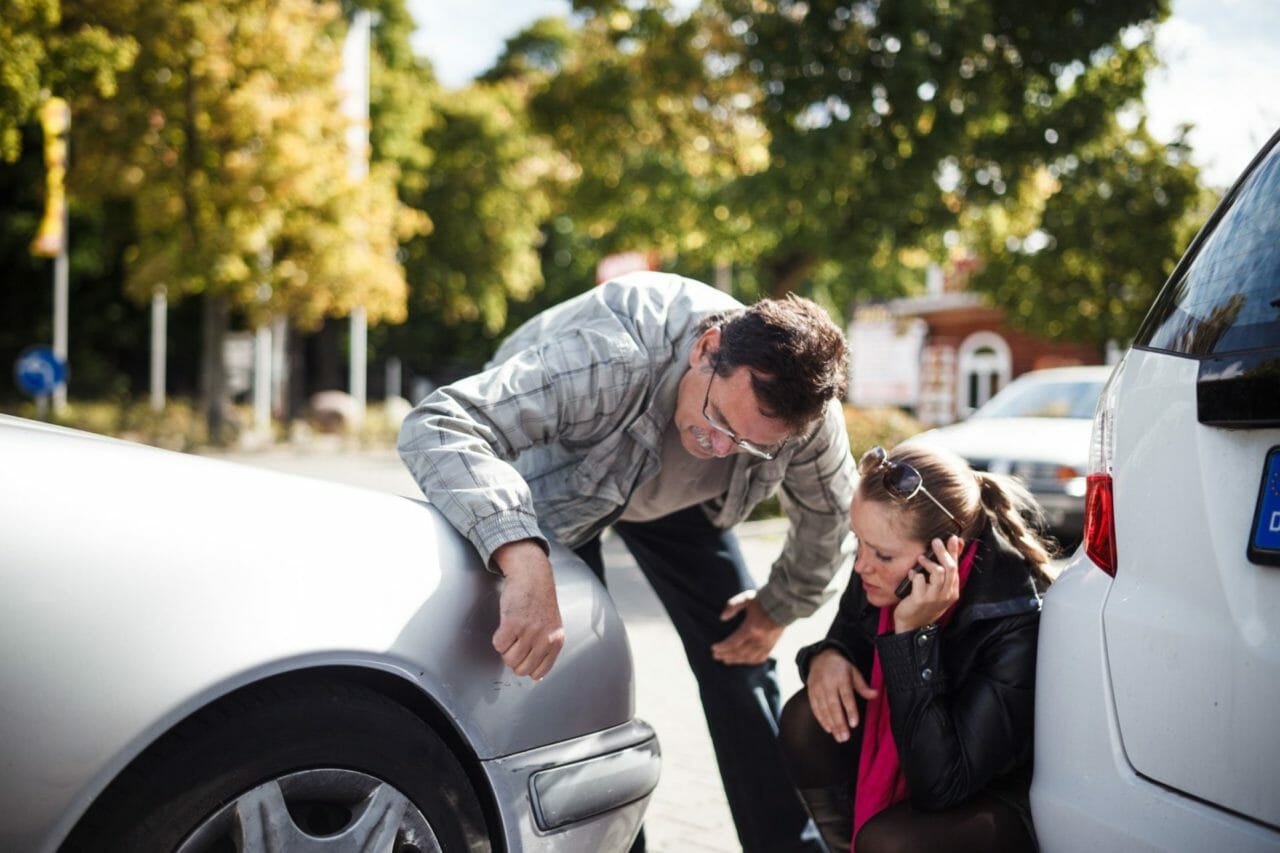
Your UM coverage is designed to make you "whole" again, as if the at-fault driver had adequate insurance.
It covers more than just your immediate medical bills. Think of it as a financial safety net that catches all the different types of losses you suffer.
This coverage allows you to focus on your recovery without the constant worry of financial ruin. It ensures that an irresponsible driver's actions don't rewrite your family's future. It pays for:
- Medical Expenses: This includes everything from the emergency room visit and surgery to ongoing physical therapy, medication, and future medical care your doctor anticipates you will need.
- Lost Wages: If your injuries prevent you from working, UM coverage reimburses you for the income you've lost.
- Loss of Earning Capacity: If your injuries are permanent and affect your ability to earn a living in the future, this portion compensates for that long-term financial loss.
- Pain and Suffering: This is compensation for the physical pain and emotional distress the accident and your injuries have caused.
- Disfigurement and Physical Impairment: It also provides compensation if the injuries have left you with permanent scarring or physical limitations.
What If My Costs Are More Than My UM/UIM Limits?
Sometimes, especially in a severe accident, the costs of your injuries "burn through" the limits of your own UM/UIM policy. For example, you may have $50,000 in UM coverage, but your total damages amount to $100,000.
Does this mean you're out of options? Not necessarily.
Personal Injury Protection (PIP) Coverage
In Texas, Personal Injury Protection (PIP) coverage is another part of your own auto insurance that is automatically included unless you reject it in writing. It pays for medical bills and a portion of lost wages for you and your passengers, regardless of who was at fault. We typically use this coverage first to get immediate medical bills paid while the larger UM claim is pending.
Health Insurance
Your personal health insurance is used to pay for medical treatments. However, your health insurer will likely seek reimbursement from any settlement you receive. This process is called subrogation. We handle these subrogation claims to ensure you keep as much of your settlement as possible.
Suing the At-Fault Driver Directly
You always have the legal right to file a lawsuit against the uninsured driver.
- The Harsh Reality: This option is typically a last resort. If a driver cannot afford insurance, they typically do not have significant personal assets (like savings or property) to pay a judgment.
- When It Makes Sense: We run an asset check on the at-fault driver. In some cases, a driver may be uninsured for a brief period but have a good job or own property. If there are assets to recover, a lawsuit may be a practical step.
Are There Hurdles When Filing a UM/UIM Claim?
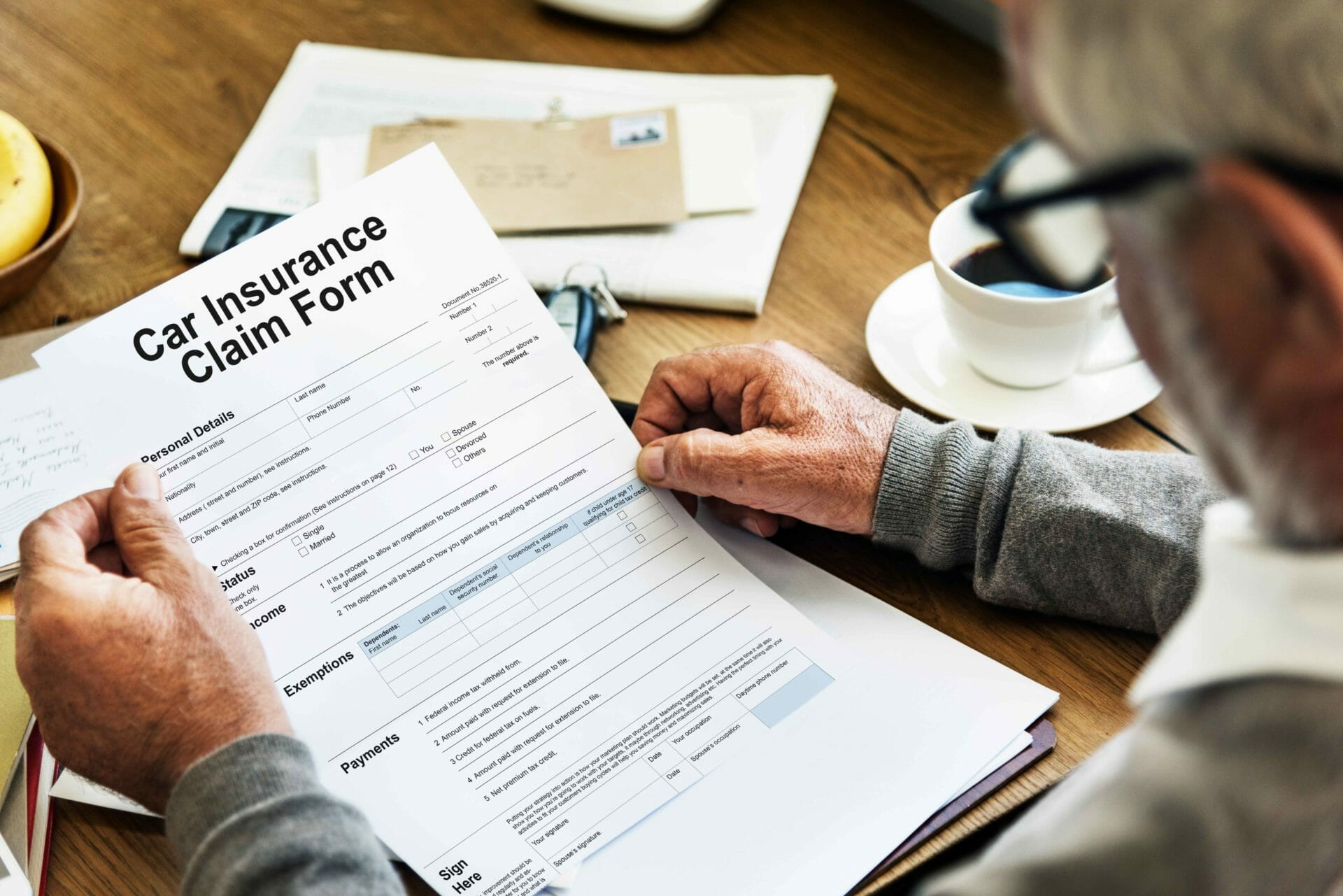
Filing a claim with your own insurance company may sound simple, but it is an adversarial process. Your insurer is a business that must balance paying claims with protecting its own financial interests.
Your Insurer Steps into the Shoes of the Uninsured Driver
Legally, when you file a UM claim, your insurance company takes on the role of the at-fault driver's insurer.
This means they will investigate the accident to determine fault, just as they would if they were insuring the other driver. They will look for any evidence to argue that you were partially to blame for the crash.
Under Texas's rule of proportionate responsibility (a form of comparative negligence), any percentage of fault assigned to you will reduce your final compensation. A claimant may not recover any damages if their percentage of responsibility is greater than 50 percent.
Common Challenges You Might Face
- Proving the Other Driver Was Uninsured and At Fault: You must prove the other driver was both uninsured and 100% responsible for the accident.
- Disputes Over the Value of Your Claim: The insurer will have its own doctors and experts review your case. They may argue that your injuries aren't as severe as you claim, that certain medical treatments weren't necessary, or that you should be able to return to work sooner.
- Recorded Statements: They will ask you for a recorded statement about the accident. This is a tool they use to look for inconsistencies in your story or admissions they use to reduce the value of your claim. We always advise clients to let us handle communication with the insurance company.
What Proof Does Your Insurance Company Require?
When you file a UM or UIM claim, you’re essentially stepping into the role your insurance company would normally play: proving that the other driver was at fault and that they don’t have enough (or any) coverage to pay for your damages.
That means the burden is on you to collect and present evidence. And it needs to meet the standards your insurer sets in your policy language.
Here’s what that usually involves:
1. Proof the Other Driver Had No Insurance (or Not Enough)
This is the most basic requirement, but it’s surprisingly easy to miss. If the other driver admits they don’t have insurance at the scene, that helps. But it’s not enough. You’ll typically need one of the following:
- A “no insurance” letter from the Texas Department of Insurance confirming the driver was not insured on the date of the crash.
- A letter of denial from the other driver’s insurer stating their policy doesn’t apply to your accident.
- A police report showing the driver was uninsured at the time of the crash.
If the other driver refuses to cooperate or gives you false information, we can request documentation directly or work with the DMV and insurance databases to track it down.
2. Evidence Showing They Caused the Crash
Your insurance company will not simply take your word. They will conduct their own investigation into who was at fault. To support your case, we help gather:
- The police report, which often includes the officer’s opinion about fault
- Eyewitness statements confirming what happened
- Traffic camera footage or dashcam video if available
- Photos of the scene, skid marks, vehicle positions, and damage angles
- Accident reconstruction reports in serious cases
Even though the other driver broke the law by driving uninsured, that doesn’t automatically make them liable for your injuries. The more evidence you have, the harder it becomes for your insurer to dispute your claim.
3. Medical Records and Treatment History
Your insurance adjuster is going to ask for every medical record related to your injuries. They want to know exactly what care you received, what your doctor says about your recovery, and whether your injuries were consistent with the crash.
We handle this part for you:
- Requesting records from every provider
- Ensuring they’re properly dated and labeled
- Making sure they clearly connect your injuries to the crash
- Gathering doctor opinions (sometimes called narrative reports) explaining how the injuries affect your life going forward
Without this medical trail, your insurance company may argue you’re exaggerating your condition or that something else caused it.
4. Proof of Lost Wages and Other Damages
If you missed work because of your injuries, you need documentation. This could include:
- Pay stubs or direct deposit records showing your income
- A letter from your employer confirming the time you missed and why
- Tax returns if you’re self-employed
- Bank statements showing a drop in income
- For future earnings losses, a report from an economic expert
We also prepare a summary of non-economic damages—like pain, emotional distress, and the long-term impact on your daily life—based on what’s allowed under your policy and Texas law.
What Mistakes Can Jeopardize a UM/UIM Claim?

Even though you’re dealing with your own insurance company, the relationship changes when you file a UM/UIM claim. At that point, they don’t serve as your advocate. They become your opposition.
That shift comes with landmines:
1. Waiting Too Long to Notify Your Insurer
Texas law gives you four years to file a UM or UIM lawsuit. But your insurance policy might require that you notify them “promptly” or “within a reasonable time.” That’s vague, but courts have held that waiting even a few months could void your claim if your delay harms the insurer’s ability to investigate.
Don’t wait. Even if you’re not sure how serious your injuries are yet, report the crash and let us handle the communication going forward.
2. Giving a Recorded Statement Without Legal Guidance
Insurance adjusters are trained to ask questions that lock you into a version of events. Small inconsistencies—like saying “I’m fine” at the scene, then later claiming a back injury—can be used to challenge your credibility.
If you’re asked to give a recorded statement, politely decline and let us take over. We’ll make sure your story is presented clearly, accurately, and with supporting evidence.
3. Signing Medical Release Forms Too Early
Your insurer may send you a form asking for “full access” to your medical history. But this includes all your records, not just those related to the accident. They can comb through your history looking for old injuries or conditions to blame.
Instead, we provide only the records that are directly relevant to your claim, framed in a way that supports your case.
4. Settling Before the Full Impact of Your Injuries Is Known
If you agree to a settlement and then later discover that you’ll need surgery, long-term therapy, or you’re unable to return to your old job, you cannot go back and ask for more. The claim is closed.
We work with your doctor to understand the full trajectory of your recovery, not just what you’ve already gone through, but what the future likely holds.
5. Failing to Cooperate With the Insurer’s Requests
This doesn’t mean doing everything they ask. It means meeting your legal duty to cooperate, which includes:
- Responding to reasonable information requests
- Letting them inspect your car (if vehicle damage is claimed)
- Showing up to required medical evaluations (if requested under your policy)
If you stop responding entirely, your claim may be denied for noncooperation. We stay on top of deadlines and requirements to ensure your claim stays active.
6. Overstating Your Injuries or Damages
Your credibility is everything. If your daily social media posts show you at the gym, lifting heavy boxes, or vacationing right after the crash, the insurer may argue you’re exaggerating.
We advise clients to limit social media activity until the claim is resolved, and we prepare you to give an honest, consistent account that aligns with the evidence.
7. Not Hiring an Attorney
You are going up against a professional claim handler whose job is to minimize payouts. Even if you’re organized, calm, and truthful, your insurance company still has the upper hand when it comes to experience.
Having a car accident lawyer as your legal representative levels that playing field. We know how to present a claim that anticipates every argument they might raise.
Frequently Asked Questions About Uninsured Driver Accidents in Texas
Will filing a UM claim make my insurance premiums go up?
In Texas, an insurer cannot raise your rates for filing a UM or PIP claim for an accident that was not your fault.
How long do I have to file a UM claim in Texas?
Your insurance policy will state the deadline, but you should notify them of the accident as soon as possible. The statute of limitations for filing a lawsuit related to the accident is generally two years in Texas, but the statute of limitations to file an uninsured or underinsured motorist claim is four years.
What about the damage to my car?
Damage to your vehicle is typically covered by your own collision coverage. If you don't have collision, Uninsured Motorist Property Damage (UMPD) coverage, a separate policy option, may apply.
Your Path Forward After an Uninsured Driver Accident
An accident with an uninsured driver creates immediate uncertainty, but it does not have to end in financial hardship. You have options, and the most powerful one is likely the insurance policy you already have.
We regularly help people across the Houston area hold insurance companies accountable. We know the tactics they use and how to build a case that protects our clients' interests.
For help with your uninsured motorist claim, call AP Law Group at (713) 913-4627.