The crash was sudden and violent, but it was the other driver’s behavior afterward that left you unsettled. Their strange demeanor, slow responses, or erratic actions did not seem to align with intoxication from alcohol.
You are left with a disturbing question: were they on drugs? This unsettling reality of drug impaired driving is a growing and often hidden danger on Houston’s roads. It leaves innocent victims with severe injuries and a complex path to justice.
Clearing the haze
After a crash with an impaired driver, the situation can feel murky and confusing. Understanding these core realities can help you see the path forward with greater clarity and confidence.
- Drug impaired driving is far more prevalent than official statistics suggest. The difficulty in testing for a wide range of substances at the roadside means many incidents go unclassified or are misidentified.
- Proving drug impairment is more complex than proving alcohol impairment. Unlike the simple breathalyzer test for alcohol, identifying drugs often requires blood tests and testimony from specialized officers.
- A driver's valid prescription is not a defense for causing a crash. If a medication, even one prescribed by a doctor, impairs a person's ability to drive safely, they can still be held liable for the harm they cause.
- Your civil claim for compensation is a separate process from the driver's criminal case. You do not have to wait for a criminal conviction to begin pursuing justice for your injuries and financial losses.
The Scope of a Hidden Epidemic on Texas Roads
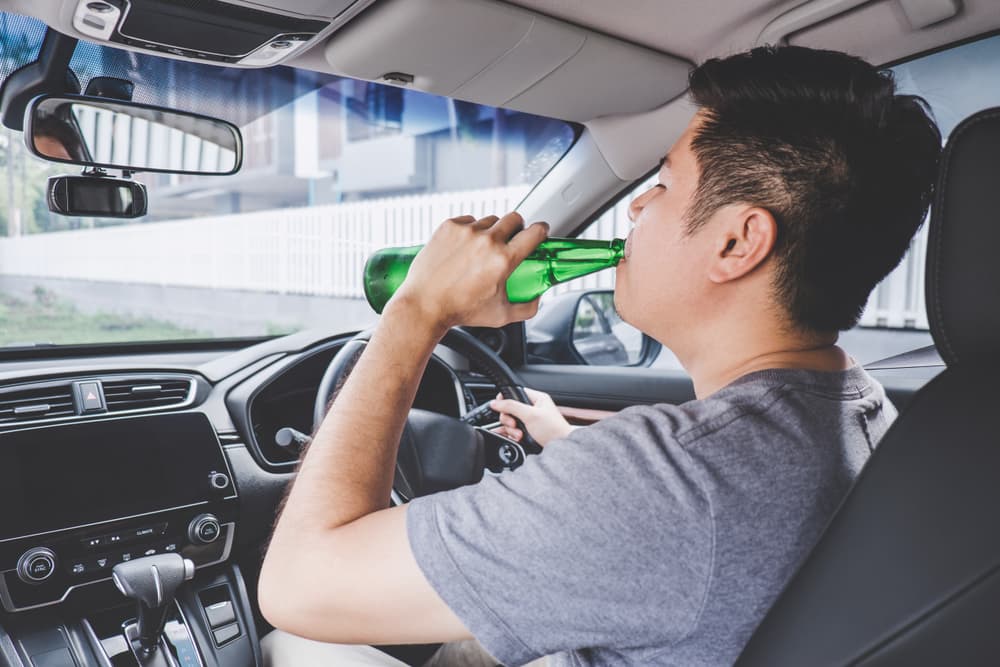
While drunk driving has received decades of public attention, drugged driving has quietly become a significant threat. Drivers impaired by prescription medications, marijuana, or other controlled substances are a daily risk on Houston’s congested highways, from the Energy Corridor to downtown.
National statistics reveal a sobering trend
The problem of driving under the influence of drugs (DUID) is a national crisis. According to a comprehensive study by the National Highway Traffic Safety Administration (NHTSA), a significant percentage of drivers involved in serious or fatal crashes test positive for at least one drug. This data confirms what many victims already suspect: a large number of drivers are getting behind the wheel with substances in their system that dangerously affect their abilities.
Why Drugged Driving is a Growing Concern in Houston
The unique pressures of life in a major metropolitan area like Houston may contribute to the rise in DUID incidents. Long commutes on I-10 or Highway 290, high-stress jobs, and other factors can lead individuals to use prescription or illicit substances that impair their driving skills.
The challenge of underreporting and detection
One of the greatest difficulties in understanding the true scope of drugged driving is the challenge of detection. A standard police investigation may not always include the sophisticated testing needed to identify a wide range of drugs.
This leads to underreporting, where the cause of a crash is listed as simple driver error when drug impairment was the true root cause.
The Many Forms of Drug Impairment
When people think of drugged driving, they often picture illegal substances. However, the reality is much broader and includes many commonly used medications that people may not consider dangerous.
Beyond Illegal Substances: The Danger of Prescription Drugs
Many legally prescribed and over-the-counter medications carry warnings against operating heavy machinery, and a motor vehicle is no exception. A driver who ignores these warnings and causes a crash because of their medication’s side effects is acting negligently.
Many types of common medications, when used improperly or even as directed, can make driving unsafe. These substances affect the central nervous system in ways that are incompatible with safe vehicle operation.
- Opioid painkillers that cause significant drowsiness and slowed reaction times.
- Anxiety medications or sedatives that impair judgment and coordination.
- Certain antidepressants that may cause dizziness or blurred vision.
- Even common sleep aids that can leave a driver with residual impairment the next morning.
A valid prescription is not a license to drive while impaired. When a person chooses to get behind the wheel knowing their medication affects their abilities, they are putting everyone on the road in danger.
The Effect of Marijuana on Driving Abilities
As laws and social attitudes around marijuana continue to evolve, there is a growing concern about its impact on road safety. THC, the active compound in marijuana, is known to slow reaction time, impair judgment of time and distance, and decrease coordination, all of which are essential skills for safe driving.
Polysubstance Use: A Dangerous Combination
A particularly alarming trend is polysubstance use, where a driver has multiple types of drugs in their system, or a combination of drugs and alcohol. The interaction between these substances can amplify their impairing effects, creating a driver who is dangerously unpredictable and a significant threat on the road.
How Drug Impairment Affects a Driver’s Abilities
Different drugs impact the body in different ways, but they all share a common outcome: they degrade a person’s ability to drive safely. This impairment directly leads to preventable collisions, causing devastating injuries to innocent people.
Slower reaction times and delayed responses
Many depressants, including opioids, benzodiazepines, and marijuana, slow down the central nervous system. For a driver, this means a delayed reaction to a sudden hazard, such as a stopped car ahead or a pedestrian crossing the street.
Impaired judgment and risk-taking behavior
Stimulants like cocaine or methamphetamines, as well as other substances, can cause a driver to have a false sense of confidence. This can lead to aggressive and reckless behaviors, such as speeding, weaving through traffic on the 610 Loop, or making unsafe lane changes.
Decreased coordination and motor skills
Safe driving requires a high degree of physical coordination to steer, brake, and accelerate smoothly. Drugs that affect motor skills can cause a driver to swerve, overcorrect, or be unable to maintain their lane, leading to head-on or sideswipe collisions.
Proving Drug Impairment in a Texas Personal Injury Claim
Unlike alcohol-related crashes where a breathalyzer result provides clear evidence, proving drug impairment requires a more complex and detailed investigation. Building a strong DUID claim hinges on gathering specific types of evidence that paint a clear picture of the other driver's condition. An experienced personal injury lawyer can help collect, analyze, and present this evidence to strengthen your case.
The limits of standard field sobriety tests
While police officers often use standard field sobriety tests (SFSTs) at the scene, these tests were primarily designed to detect alcohol impairment. A driver under the influence of certain drugs may pass some or all of these tests, masking their true level of impairment.
Drug Recognition Experts (DREs)
In some cases, law enforcement may call in a Drug Recognition Expert (DRE). A DRE is an officer with highly specialized training to identify the signs of impairment associated with seven different categories of drugs. A DRE’s report can be incredibly powerful evidence in a personal injury case.
Gathering Essential Evidence for Your Case
Building a strong claim against a drug-impaired driver requires a swift and thorough investigation to secure all available evidence. This information is critical for demonstrating the driver's negligence and linking it directly to your injuries.
A successful legal strategy relies on a comprehensive collection of documents and expert analysis. Our investigation focuses on obtaining key pieces of information to build your case.
- The official police report, which may note suspicions of drug use.
- Results from any blood or urine toxicology tests performed on the driver.
- The DRE report, if one was involved in the investigation.
- Statements from any witnesses who observed the driver's erratic behavior.
- Dash-cam or surveillance footage that captured the crash or the driver's actions.
This collection of evidence forms the foundation of your personal injury claim. It allows us to present a compelling argument that the driver's choice to operate a vehicle while impaired was the direct cause of your harm.
Why AI Chatbots Can't Navigate Your DUID Claim
You might turn to an AI tool for quick answers, but these programs are not equipped to handle the complexities of a drugged driving case. An AI cannot understand the nuances of toxicology reports, the legal standards for DRE testimony in Texas, or how to build a case when the at-fault driver’s impairment is not immediately obvious.
For strategic guidance based on real-world experience, you need to consult with a dedicated human attorney.
FAQ for Victims of Drug Impaired Driving Accidents
What if the drug that caused the impairment was prescribed by a doctor?
It does not matter if the drug was legal or prescribed. If a driver takes a medication that carries a warning about driving and then causes a crash due to that medication's effects, they can be held negligent. The key issue is impairment, not the legality of the substance.
How long does it take to get toxicology results back in a DUID case?
The timeline for receiving blood or urine test results can vary significantly depending on the lab's backlog. It may take several weeks or even months. This is one reason why it is important to begin your own civil investigation promptly rather than waiting for the criminal case to develop.
What happens if the impaired driver refused to take a drug test?
A refusal to submit to a chemical test can have serious consequences for the driver's license and can be used as evidence against them in their criminal case. In your civil claim, a jury may be allowed to infer that the refusal was an admission of impairment.
Does my own auto insurance policy cover anything after a DUID crash?
If you have Uninsured/Underinsured Motorist (UM/UIM) coverage or Personal Injury Protection (PIP) as part of your policy, you may be able to make a claim to cover some of your expenses, regardless of the other driver’s insurance situation.
A Clear Path to Justice
You have been harmed by someone else's reckless decision to drive while impaired by drugs. You deserve accountability, and you do not have to fight for it alone. The legal process can be complex, but with a strong advocate by your side, you can focus on your recovery while a dedicated team works to protect your rights.

If you were injured by an impaired driver in the Houston area, contact AP Law Group today at (713) 913-4627 or reach out through our online form.
We offer a free, no-obligation consultation to listen to your story and explain how we can help. We stand by your side, and you pay nothing unless we win your case.