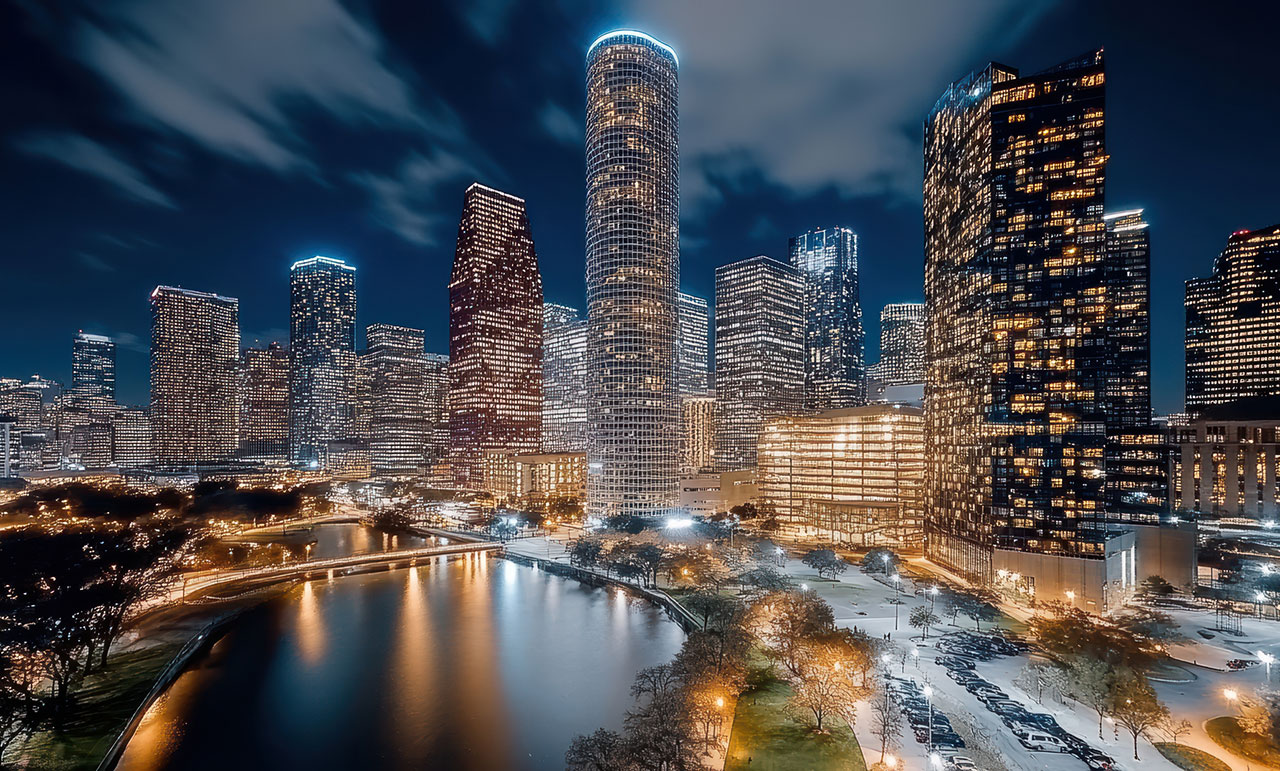
Downtown Houston’s bustle shouldn’t come with a risk to your life. Yet, crossing streets like Capitol or Milam has become increasingly dangerous for those on foot. If a negligent driver struck you while you were walking, the laws governing Houston pedestrian accident liability are key to claiming compensation.
You do not have to figure out your rights or handle aggressive insurance adjusters alone. An experienced Houston pedestrian accident lawyer can help uncover who is truly at fault, whether it is a reckless driver or a negligent municipality. We are here to help you secure the compensation you need while you focus on healing.
Key Takeaways About Liability for Pedestrian Accidents in Houston
- Liability is not always obvious: Fault may lie with a negligent driver, a construction company, or even the City of Houston for poor road design.
- Texas laws impact your claim: The modified comparative negligence rule allows you to recover damages as long as you are 50% or less at fault.
- Government claims are time-sensitive: Suing a municipality involves strict deadlines, sometimes as short as 90 days, under the Texas Tort Claims Act.
- Immediate evidence collection is vital: Preserving traffic camera footage and witness testimony is essential before it is deleted or lost.
- You pay nothing upfront: Our firm operates on a contingency fee basis, meaning you only owe legal fees if we successfully secure compensation for you.
The Reality of Walking in Houston: 2024 Data
Houston has made efforts to improve walkability, yet the data paints a stark picture of the dangers pedestrians face daily. In one recent year, 119 pedestrians lost their lives walking on local streets. This figure represents a troubling high for the city and highlights a disconnect between safety goals and roadway reality.
The sheer volume of traffic in the metro area creates a hostile environment. For instance, the intersection of Capitol Street and Milam Street in Downtown saw significant crash activity in 2024, posing threats to commuters during business hours.
The Westheimer Road corridor also remains one of the deadliest stretches in the region due to high speeds and complex turning lanes. When these preventable tragedies occur, victims need to know that Texas law provides a path to hold the wrongdoers accountable.
Identifying the At-Fault Party
Determining who caused your injuries is the cornerstone of any successful personal injury claim. In many pedestrian cases, liability seems straightforward, but a thorough investigation often reveals multiple layers of responsibility.
Driver negligence
Driver error is the primary cause of pedestrian injuries. Texas drivers have a statutory duty to exercise due care, even if the pedestrian is not in a marked crosswalk. Negligence often takes specific forms that your legal team can prove with the right evidence.
Common behaviors that establish driver liability include:
- Distracted driving: Texting, eating, or adjusting navigation systems while the vehicle is in motion.
- Failure to yield: Turning right on red without checking for walkers or ignoring crosswalk signals.
- Speeding: Exceeding limits in high-pedestrian zones like downtown or school zones.
- Impaired driving: Operating a vehicle under the influence of alcohol or drugs.
When a driver violates traffic laws and injures you, they are liable for the damages. However, insurance companies often try to shift blame to the pedestrian, which is why having strong legal advocacy is essential to protect your rights.
Municipal Liability and Road Design
Sometimes, the driver is not the only one to blame. The City of Houston is responsible for designing and maintaining safe roadways. If a dangerous condition on public property caused your accident, you might have a claim against the government under the Texas Tort Claims Act. While the government generally has immunity, this is waived for certain premise defects.
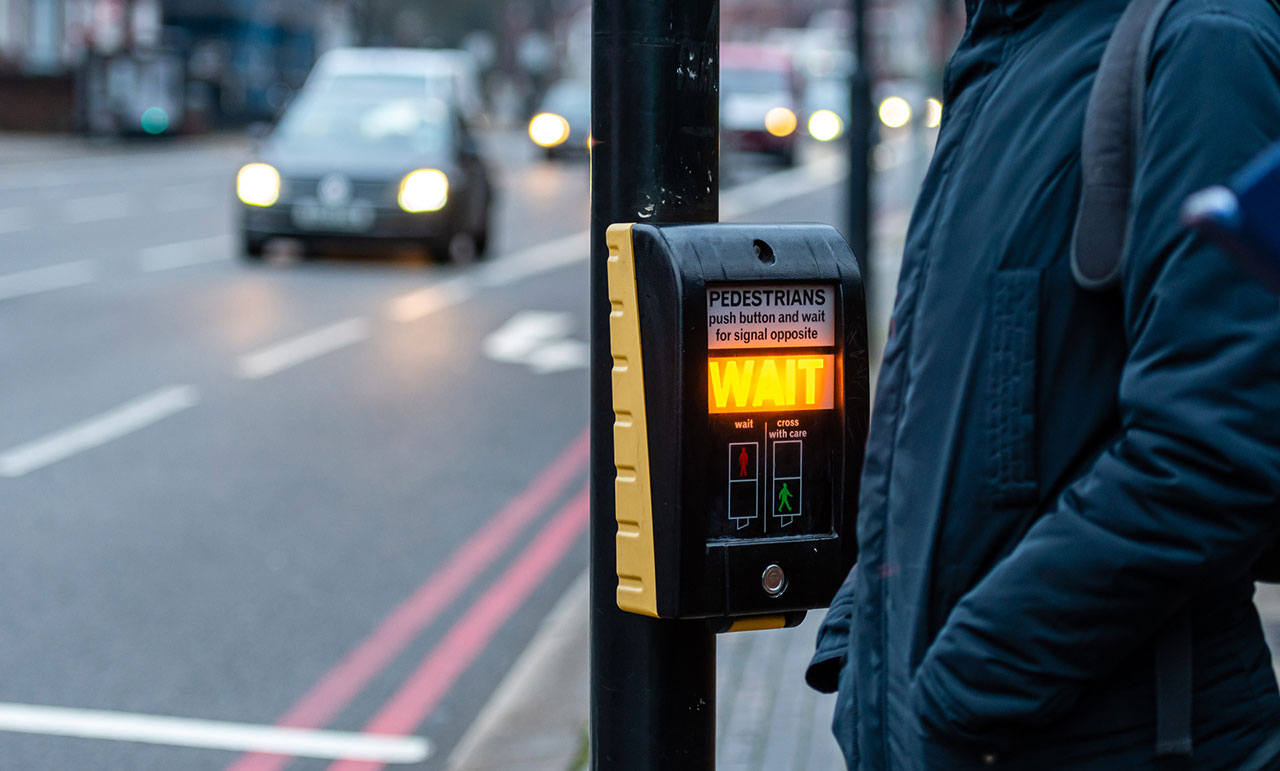
Specific roadway defects can create invisible traps for pedestrians, turning a simple walk into a life-altering event:
- Malfunctioning traffic signals: Walk signs that do not activate or traffic lights that are out of sync, causing confusion.
- Missing or obscured signage: Stop signs hidden by landscaping or missing crosswalk paint that makes safe zones invisible.
- Poorly timed crosswalks: Signals that do not provide enough time for an average person to cross safely.
- Dangerous road conditions: Unrepaired potholes, uneven pavement, or drainage grates that create tripping hazards.
- Lack of lighting: High-traffic pedestrian areas left in darkness due to unmaintained streetlights.
If any of these conditions contributed to your accident, the city could share responsibility. However, the law imposes strict notice deadlines—often as short as 90 days—to file a claim. Missing this window can permanently bar you from seeking justice.
Beyond Drivers: Third-Party Liability for Pedestrian Accidents
In a busy metropolis like Houston, the streetscape is filled with commercial activity and construction projects. When these entities prioritize profits or speed over safety, pedestrians often pay the price.
Commercial Vehicle and Trucking Companies
Houston’s streets are filled with delivery vans and 18-wheelers. When a commercial driver strikes a pedestrian, the company employing them may also be liable. This is often the case if the company failed to vet the driver’s history or mandated unsafe delivery schedules.
Construction Contractors
Construction zones are common in areas like the Energy Corridor. Private construction companies have a legal duty to provide safe alternate routes for pedestrians when they block sidewalks. If a contractor forces you into the street without proper barriers, they may be liable for resulting injuries.
Construction zones present unique hazards that often go unnoticed until an injury occurs:
- Debris on walkways: Loose gravel, tools, or building materials left on temporary paths.
- Lack of safe detours: Failing to designate a protected walkway, forcing pedestrians alongside moving vehicles.
- Inadequate lighting: Scaffolding or temporary walls blocking streetlights.
- Unsecured fencing: Temporary chain-link fences falling into walkways.
When contractors cut corners on safety, they endanger the public. A thorough investigation can reveal if the site manager violated safety ordinances, strengthening your claim.
Rideshare Companies
The rise of rideshare services has increased congestion throughout Houston and especially in EaDo/Downtown, Montrose, and other entertainment districts. When an Uber or Lyft driver strikes a pedestrian, the victim is covered by substantial corporate insurance policies. However, accessing this coverage is difficult as companies may argue that the driver was an independent contractor.
Texas Comparative Negligence: What It Means for You
A common fear for injured pedestrians is that they might be partially at fault. Perhaps you were crossing outside a marked crosswalk or the signal began flashing while you were in the street. Insurance adjusters will jump on these details to deny your claim.
Texas follows a modified comparative fault rule (the 51% bar). This means you can still recover compensation as long as you were not more than 50% responsible for the accident.
If you are found partially at fault, your compensation is reduced by that percentage. Your lawyer’s job is to minimize your assigned percentage of fault by gathering evidence that proves the driver had the last clear chance to avoid you.
Recovering Damages for Your Injuries
The purpose of a personal injury claim is to restore your financial security. Texas law allows victims to seek "damages" for verifiable financial losses, such as emergency room costs, surgeries, and lost wages, as well as intangible losses, including pain and suffering.
If a tragedy results in the loss of a loved one, families may seek compensation through a wrongful death claim. According to the National Highway Traffic Safety Administration (NHTSA), pedestrians are disproportionately represented in traffic fatalities. The lifetime cost of care for severe injuries like traumatic brain injuries (TBIs) and spinal cord injuries can be immense, and your attorney’s role is to calculate these future needs accurately.
Common Questions About Houston Pedestrian Accident Cases
What if the driver who hit me fled the scene?
Hit-and-run accidents are distressingly common. If the driver flees, call the police immediately. You may still be able to recover compensation through your own auto insurance policy’s Uninsured Motorist (UM/UIM) coverage. Your lawyer can also work with investigators to pull camera footage and locate the fleeing driver.
Can I still sue if I was jaywalking?
Yes, you may still have a valid case. Jaywalking does not automatically bar you from recovery. Under Texas comparative negligence laws, if the driver was speeding or distracted, they can still be held liable even if you were crossing outside a crosswalk.
How long do I have to file a claim in Texas?
Generally, the statute of limitations for personal injury claims in Texas is two years. However, if a government entity is involved, you may have as little as 90 days to file a formal notice of claim. Taking legal action promptly is essential to protecting your rights.
Who pays my medical bills while the lawsuit is pending?
The at-fault driver’s insurance usually pays in a lump sum at the end of the case. In the meantime, you may use your own health insurance or Personal Injury Protection (PIP) coverage. An attorney can also help negotiate with medical providers to delay payment until your case settles.
Is hiring a pedestrian accident lawyer expensive?
AP Law Group operates on a contingency basis, making top-performing legal representation available to everyone, regardless of their financial situation. This means you pay nothing out of pocket. We advance all court costs and investigation expenses. You only pay a percentage of the settlement if and when we win your case. If we don’t win, you pay nothing.
With AP Law Group by Your Side, You’re in Control
After a serious accident, the path forward can feel uncertain. You may be facing a long recovery and mounting bills. You need more than just legal advice; you need a partner who will fight for your future.
At AP Law Group, we understand the tactics insurance companies use to undervalue pedestrian claims. When you partner with us, we level the playing field and give your case the legal leverage it needs to win.
You don’t have to let an insurance adjuster decide what your future is worth. Contact AP Law Group today or contact us online for your free, no-obligation consultation. We are ready to stand by your side and fight for you, and you pay nothing unless we win.